

.svg)

.svg)
%201.png)


Most people think clicks come down to rankings. Get to page one, and traffic follows. Simple, right? Not quite.
What really drives clicks is how your site feels to navigate. Structure shapes behavior. It guides where users go, what they notice, and whether they keep exploring or bounce.
If your site structure is messy, even top rankings won’t save your click-through rates. If it’s clean and intentional, you can turn average visibility into high engagement.
Let’s break down why.

Why site structure matters for click behavior
Before users click deeper into your site, they scan.
They’re asking:
- Where should I go next?
- What looks relevant?
- What feels trustworthy?
Your structure answers those questions instantly.
A well-structured site:
- Reduces friction
- Builds confidence
- Surfaces the right pages at the right time
A poorly structured one does the opposite. It creates hesitation. And hesitation kills clicks.
1. Clear hierarchy drives natural navigation
Think of your site like a map. If users can’t understand the layout in seconds, they stop exploring.
A strong hierarchy:
- Groups related content together
- Uses logical categories
- Prioritizes important pages
For example:
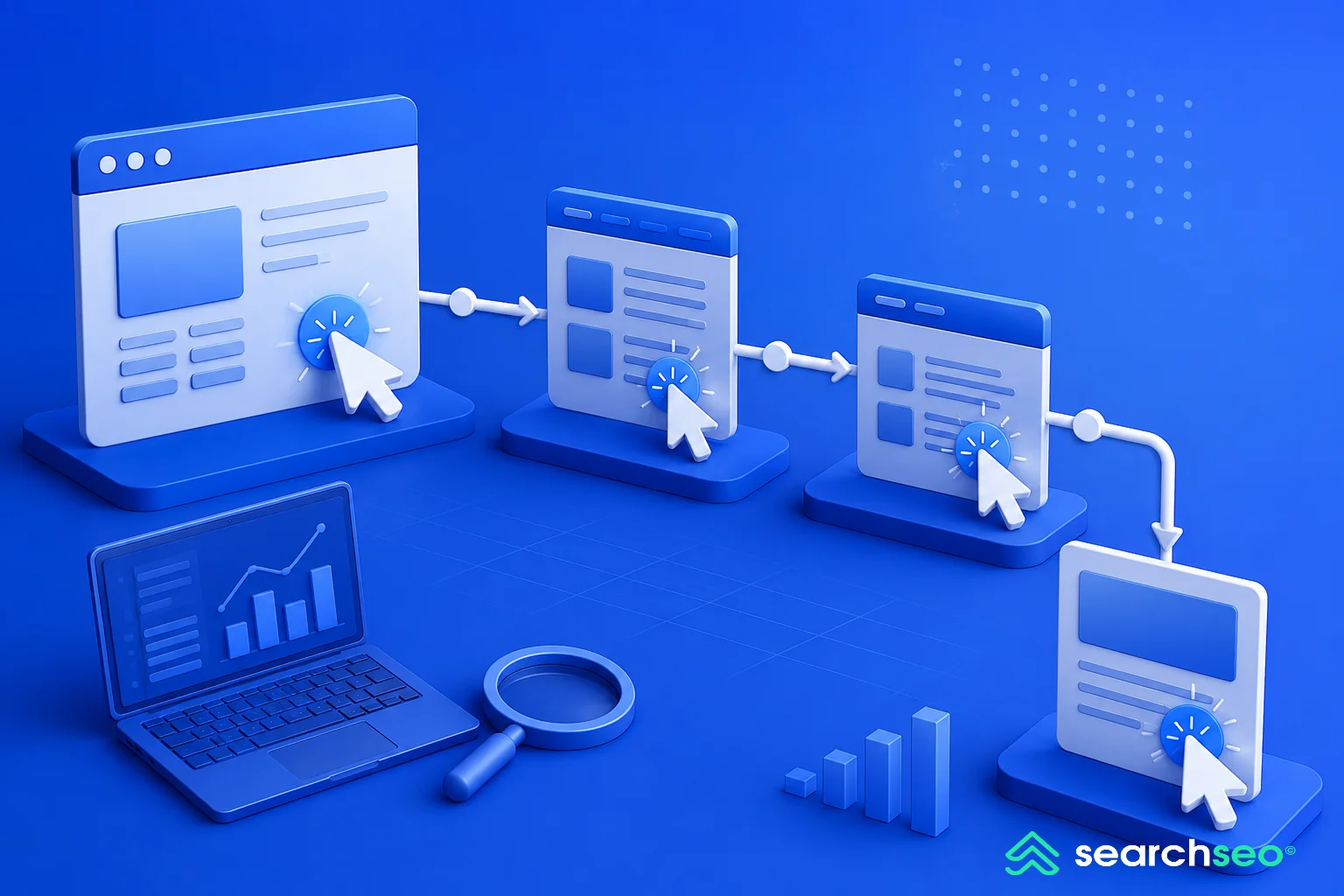
- Homepage → Category → Subcategory → Article
This flow feels natural. Users instinctively follow it.
When hierarchy is unclear, users rely on guesswork. That leads to fewer clicks and higher bounce rates.
Quick fix:
Audit your navigation. If a new visitor can’t predict where a link leads, it needs work.
2. Internal linking shapes user paths
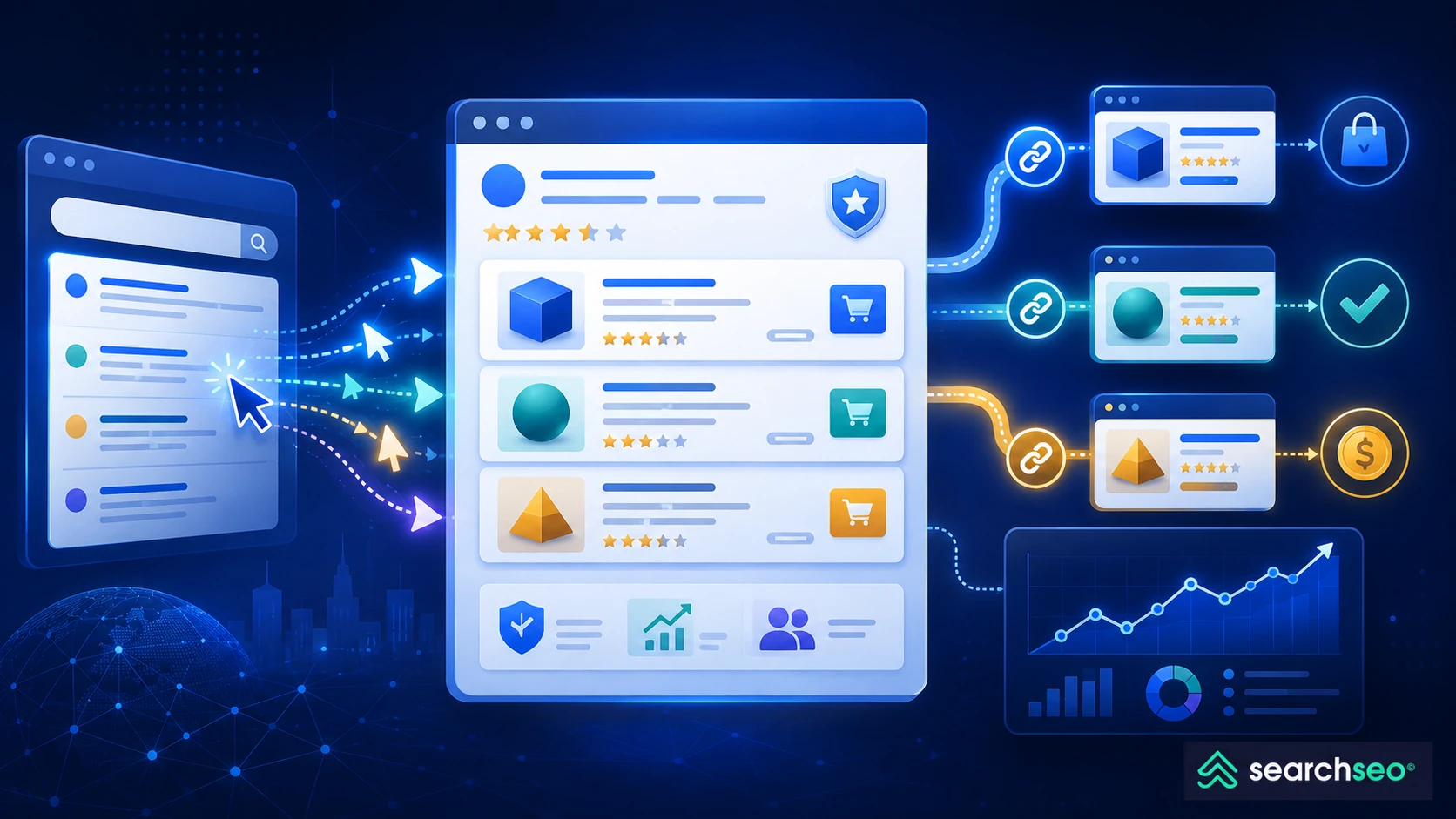
Internal links are not just for SEO. They’re behavioral cues.
They tell users:
- “This is worth your attention”
- “Here’s what to read next”
Strategic internal linking:
- Increases page depth
- Keeps users engaged longer
- Guides them toward conversions
This is where targeted SEO comes into play. When your links align with specific user intent, they naturally attract more clicks and drive deeper engagement.
But random linking does nothing.
Each link should answer a question or extend the topic. If it doesn’t, it won’t get clicked.
Example:
If someone reads about traffic drops, linking to a guide on diagnosing SEO issues makes sense. Linking to something unrelated does not.
Quick fix:
Add contextual links where users naturally want more information. Not where you want to push them.
3. URL structure impacts trust and clicks
Users notice URLs more than you think.
Compare:
/blog/seo/site-structure-clicks/p=123?ref=abc
One looks clean and trustworthy. The other feels random.
Clear URLs:
- Reinforce relevance
- Improve click confidence
- Help users understand where they are
Messy URLs create doubt. And doubt reduces clicks, which over time can contribute to CTR decay as users begin to favor clearer, more trustworthy results.
Quick fix:
Keep URLs short, readable, and aligned with your content hierarchy.
4. Navigation design influences exploration
Menus, breadcrumbs, and sidebars are not just design elements. They are decision-making tools.
Good navigation:
- Highlights key pages
- Limits overwhelm
- Makes exploration easy
Too many options? Users freeze.
Too few? They leave.
It’s about balance.
Breadcrumbs are especially powerful. They show users:
- Where they are
- How to go back
- What related paths exist
That clarity encourages more clicks and helps guide users toward quality traffic outcomes where engagement actually matters.
Quick fix:
Simplify your main menu. Prioritize top categories and remove unnecessary links.
5. Content clustering boosts engagement
Grouping related content into clusters keeps users moving.
Instead of isolated posts, you create a network:
- Pillar page (main topic)
- Supporting articles (subtopics)
This structure:
- Encourages deeper browsing
- Increases time on site
- Improves click flow
Users don’t just read one page. They follow a journey.
Example:
A pillar page on SEO traffic can link to:
- Keyword research
- Technical SEO
- CTR optimization
Each click feels like a natural next step.
If you want to accelerate this process, leveraging SEO traffic services can help reinforce engagement signals while your structure does the heavy lifting.
Quick fix:
Identify your core topics and build clusters around them. Then connect everything with internal links.
6. Page depth affects click probability
The deeper a page is buried, the less likely it gets clicked.
If users need:
- 4 to 5 clicks to find something
They probably won’t.
Important pages should be:
- Within 2 to 3 clicks from the homepage
This improves:
- Discoverability
- Engagement
- Conversion potential
Quick fix:
Flatten your structure where possible. Bring high-value pages closer to the surface.
7. Visual structure reinforces click behavior
Structure is not just about links. It’s also visual.
Users scan before they click.
Clear visual hierarchy includes:
- Headings that guide attention
- Sections that break content logically
- Buttons and links that stand out
If everything looks the same, nothing gets clicked.
Quick fix:
Use formatting to highlight important links and next steps.
The hidden connection: structure and CTR
Site structure doesn’t just affect what happens after the click. It influences whether users click at all.
When your structure is clear:
- Users trust your pages more
- They recognize relevance faster
- They are more likely to engage
This improves overall performance across your site.
How to improve your site structure today
If you want quick wins, start here:
- Map your current structure visually
- Identify orphan pages and connect them
- Simplify navigation menus
- Add contextual internal links
- Group related content into clusters
- Reduce unnecessary depth
You don’t need a full redesign. Small structural changes can shift user behavior fast.
Final thoughts
Clicks are not just about rankings. They’re about experience.
Your site structure quietly guides every decision a user makes. Where they go. What they trust. What they ignore.
Get that structure right, and everything else gets easier.
Better clicks. Better engagement. Better results.
And if you’re serious about improving how users interact with your pages, this is one of the highest-impact areas to focus on.
Because when structure works, users don’t think. They just click.


.svg)