

.svg)

.svg)
%201.png)


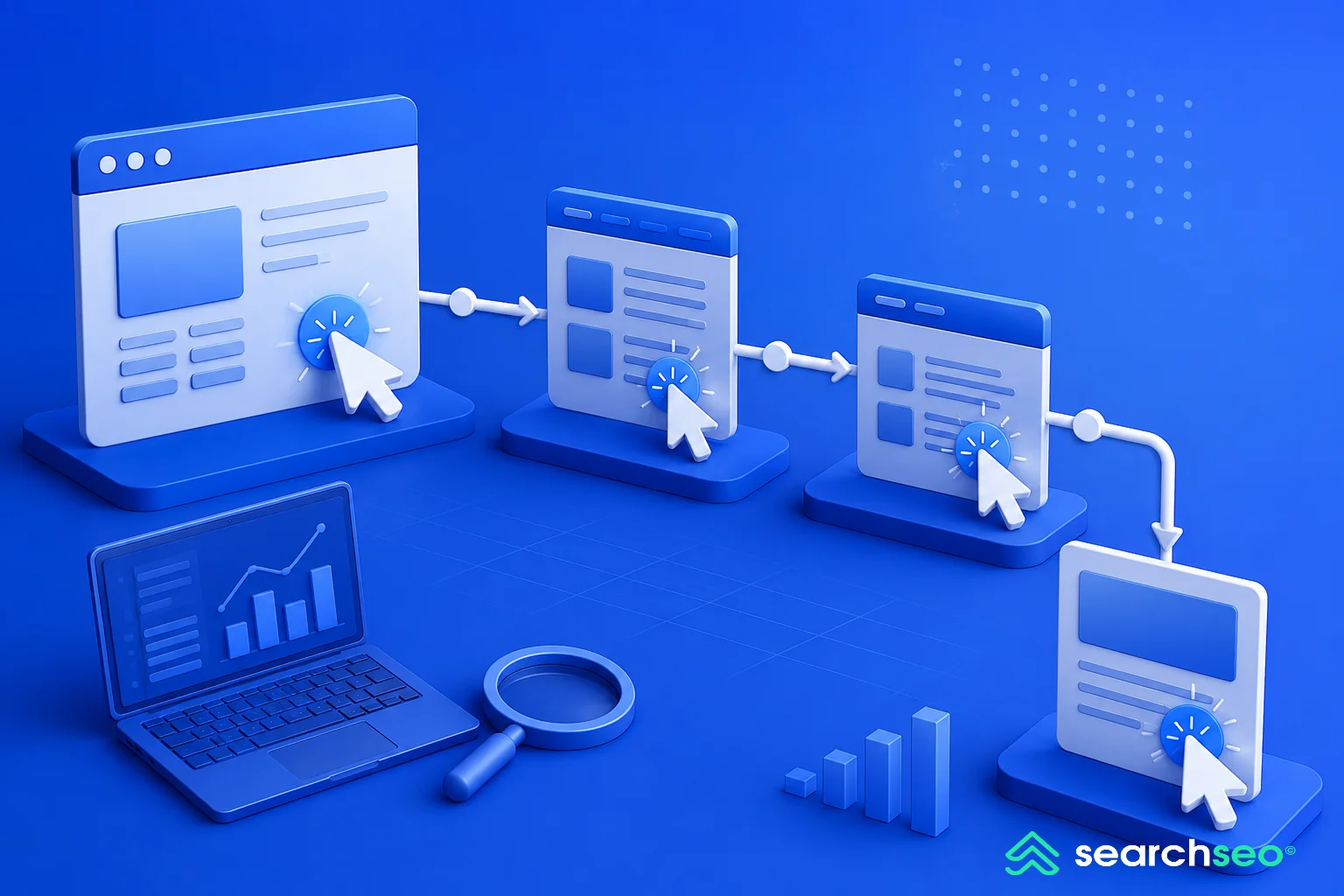

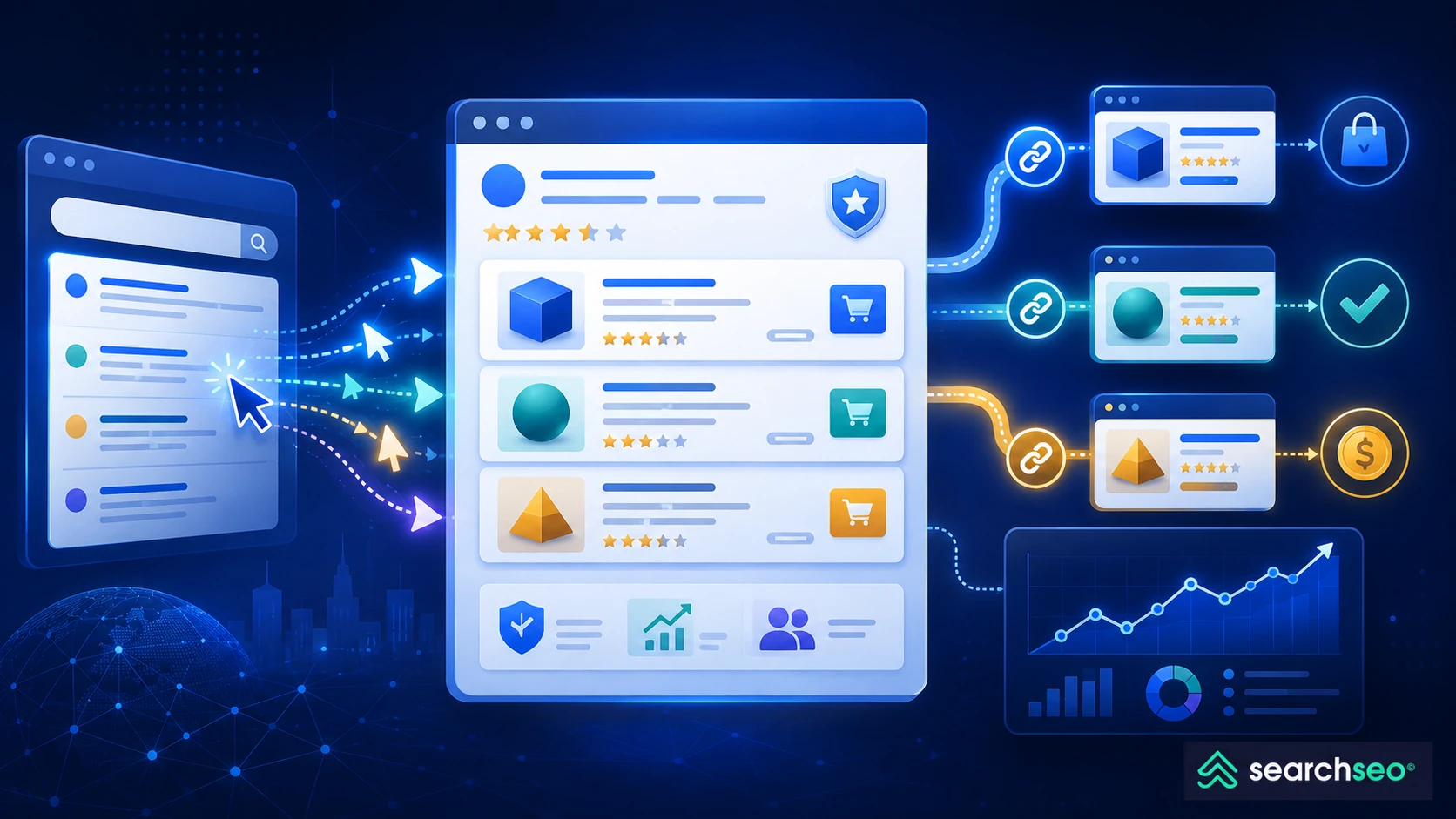
When people hear the term traffic bots, they often imagine basic scripts sending fake visits to a website.
In reality, modern SEO traffic systems are far more sophisticated. Many automation tools use headless browsers to simulate browsing sessions, while more advanced platforms operate through real browsers that interact with search engines just like a human user would.
Understanding this difference is key if you want to know how CTR-based SEO tools actually work.
Let’s break it down.

What is a headless browser?
A headless browser is a browser that runs without a graphical interface. It loads and renders webpages the same way Chrome or Firefox does, but the browser window isn’t visible.
Developers often use headless browsers for tasks like:
- Website testing
- Web scraping
- Automation scripts
- Performance testing
For SEO tools, headless browsers can simulate users visiting search engines and clicking results.
However, because they run without a visual interface, search engines may detect patterns that indicate automation.
That’s why many advanced SEO traffic platforms go a step further.
The difference between headless bots and real browser traffic
Basic automation tools rely on headless browsers or simple scripts.
More advanced traffic systems run campaigns through real browsers, which behave exactly like a normal user session.
Here’s the key difference:
Headless bots simulate browsing.
Real browsers actually perform the browsing process.
This means the browser:
- Opens a search engine like Google or Bing
- Types and searches the keyword
- Loads the results page
- Finds the target website
- Clicks the result
- Visits and interacts with the page
Because the visit originates from a real browser environment, the behavior looks far more natural.
How SEO traffic bots work (step by step)
Most CTR traffic systems follow a process designed to simulate how real users find websites through search.
1. Opening the browser
The system launches a browser session. In more advanced setups, this happens inside real browsers like Firefox or Chrome instead of headless environments.
This allows the session to behave like an authentic user visit.
2. Searching the keyword
The browser navigates to a search engine such as Google or Bing.
It then searches for a specific keyword configured in the campaign.
This creates the same interaction a real user would perform when looking for information.
3. Finding the target website
Once the search results load, the system scans the page until it finds the target result.
When the listing appears, the browser clicks it.
This generates a search click that mimics organic user behavior.
4. Visiting the website
After clicking the result, the browser loads the page fully.
Depending on the campaign settings, the visit may include actions like:
- Staying on the page for a specific time
- Scrolling the content
- Visiting additional pages
- Navigating through internal links
These actions help simulate real engagement signals.
Why real browser traffic matters for CTR SEO
Search engines analyze many behavioral signals when evaluating search results.
These include:
- Click-through rate (CTR)
- Time on page
- Engagement signals
- Session depth
- Bounce patterns
When a visitor clicks a search result and spends time on the page, it suggests the content is relevant to the query.
CTR-based SEO tools attempt to replicate this natural discovery process.
Platforms like SearchSEO allow users to configure campaigns that simulate search behavior, including:
- Keyword-based visits
- Adjustable page visits
- Device targeting
- Traffic pacing
Instead of sending random traffic, the system generates visits that originate directly from search engine result pages.
Why simple traffic bots don’t work
Many cheap traffic tools claim to improve SEO, but they often rely on extremely basic bots.
These bots typically:
- Send direct hits to a website
- Skip the search engine entirely
- Don’t render pages properly
- Create unrealistic visit patterns
Search engines can filter these signals easily.
Effective CTR campaigns focus on replicating the entire search journey, not just sending traffic.
Where CTR bots fit into SEO
Traffic bots are not a replacement for good SEO.
They work best as a support signal within a larger strategy, which includes:
- Quality content
- Technical optimization
- Backlinks
- Proper keyword targeting
Many SEO teams use traffic campaigns to:
- Test ranking behavior
- Improve CTR signals
- Accelerate page visibility
- Reinforce engagement signals
Like any SEO tactic, results depend on how the strategy is implemented.
The evolution of SEO traffic tools
Traffic and SEO automation has evolved significantly over the last decade.
Early bots relied on simple scripts and easily detectable patterns. Modern systems now simulate complete browsing sessions through real browsers.
The goal isn’t just generating visits.
It’s replicating how real users discover and interact with websites through search.
And that’s what separates outdated traffic bots from modern CTR-based SEO tools.


.svg)