

.svg)

.svg)
%201.png)


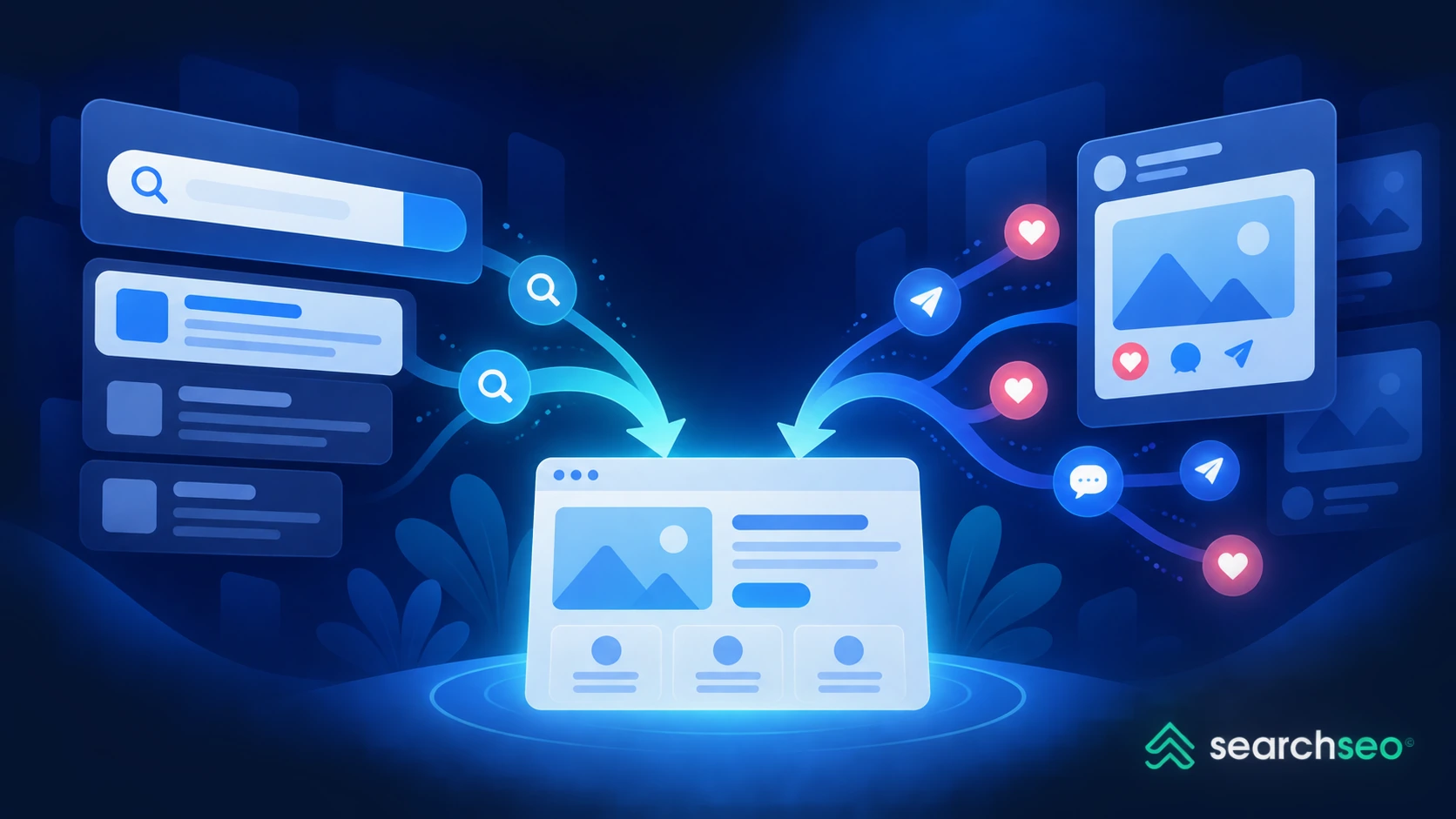
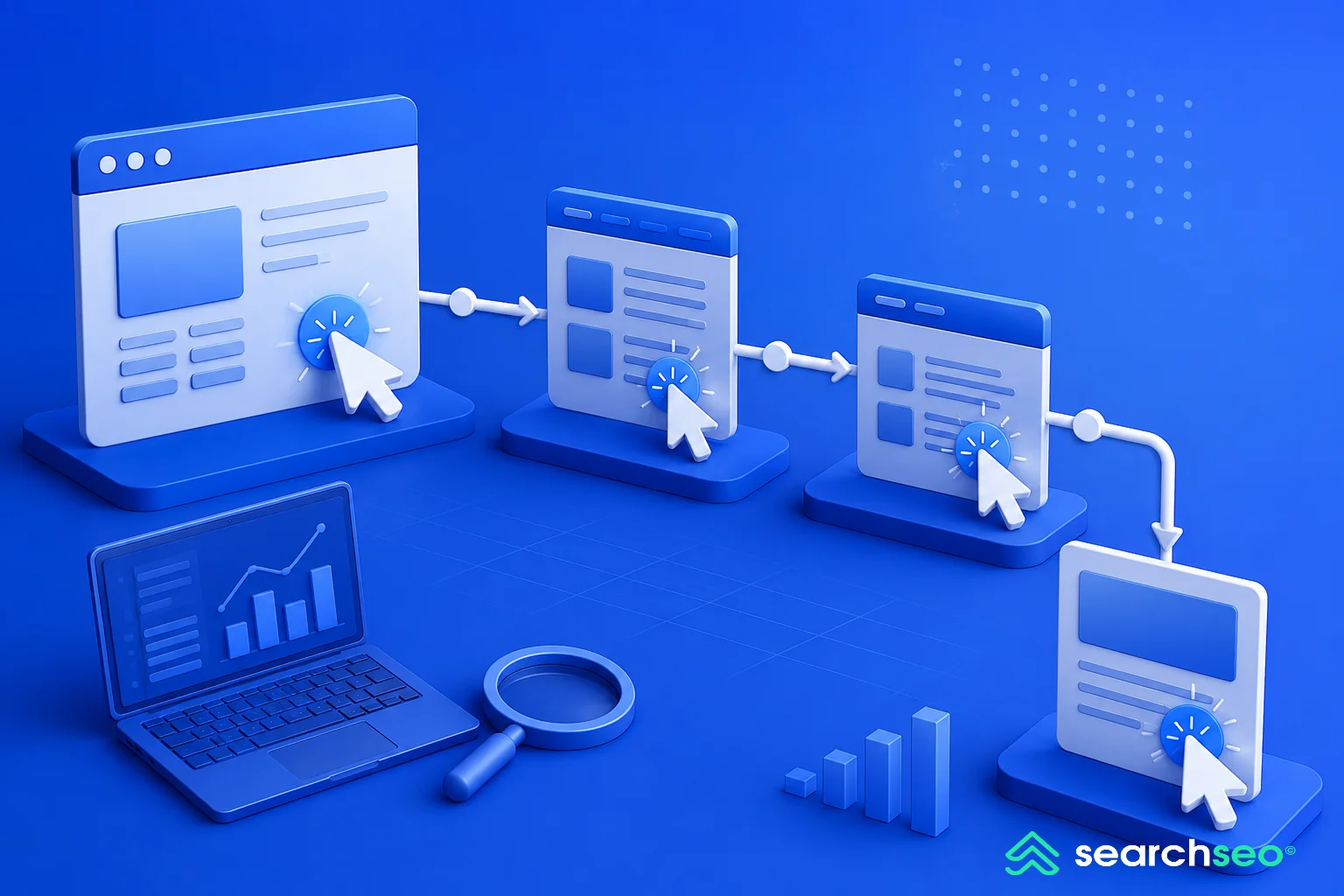

If you’ve been around SEO long enough, you’ve probably heard both sides. Some swear by CTR bots. Others double down on on-page SEO. The truth? One builds the foundation. The other can only amplify what already works.
Let’s break it down in a way that actually helps you decide what to focus on.

What are CTR bots?
CTR bots are tools designed to simulate user behavior in search results. They click your listing, sometimes scroll, and occasionally interact with your page to mimic real engagement.
The idea is simple: higher click-through rates (CTR) signal relevance to search engines. If your page gets more clicks than competitors, it might move up.
But here’s the catch. CTR bots don’t fix weak content. They only try to influence perception.
What is on-page SEO?
On-page SEO is everything you control on your website:
- Content quality and relevance
- Keyword targeting
- Title tags and meta descriptions
- Internal linking
- Page structure and UX
This is the foundation of your rankings. It tells search engines what your page is about and why it deserves to rank.
No shortcuts here. If this part is weak, nothing else really sticks.
CTR bots vs on-page SEO: the core difference
On-page SEO builds rankings. CTR bots try to influence them.
Think of it like this:
- On-page SEO = your actual product
- CTR bots = marketing hype
If the product is bad, hype won’t save it for long.
Do CTR bots actually work?
They can. But only under specific conditions.
CTR manipulation may help nudge rankings when:
- Your page is already ranking (top 20–30 positions)
- Your content matches search intent
- Your snippet is reasonably optimized
In these cases, improved CTR can reinforce positive signals.
But if your page is buried on page 5 with weak content, CTR bots won’t magically push it to page 1.
Why on-page SEO still wins
Search engines have become much better at evaluating content quality and relevance.
They look at:
- Content depth
- Topical coverage
- User satisfaction
- Engagement beyond just clicks
CTR is just one signal. On-page SEO covers dozens.
That’s why strong pages tend to rank and stay ranked.
The hard truth about CTR bots
Here’s what most people don’t want to hear:
CTR bots are not a replacement for SEO.
If you rely on them without fixing your on-page fundamentals, results are usually:
- Short-lived
- Inconsistent
- Risky over time
Worse, you might end up wasting budget trying to push a page that simply isn’t competitive.
The right way to use CTR bots
This is where things get practical.
CTR bots should only be used as support for CTR manipulation, not as your main strategy.
And more importantly:
If on-page SEO is not prioritized, CTR manipulation is most likely going to fail.
Here’s a smarter approach:
- Fix your on-page SEO first
Make sure your content deserves to rank. - Get initial rankings
Aim for positions where impressions already exist. - Optimize your snippet
Titles and meta descriptions still matter. - Then test CTR improvements
This is where tools like SearchSEO can support your efforts.
Used this way, CTR bots act as a booster, not a crutch.
When should you focus on on-page SEO only?
If you’re:
- Launching a new website
- Targeting competitive keywords
- Struggling with relevance or content depth
Then skip CTR manipulation for now.
Double down on:
- Better content
- Smarter keyword targeting
- Strong internal linking
That’s where real growth starts.
Final verdict: which one actually improves rankings?
If we’re being real:
On-page SEO is the strategy that actually improves rankings.
CTR bots can help support it, but they cannot replace it.
The best results come from combining both, in the right order:
Build first. Boost second.
That’s how you get rankings that don’t just spike, but last.


.svg)