

.svg)

.svg)
%201.png)


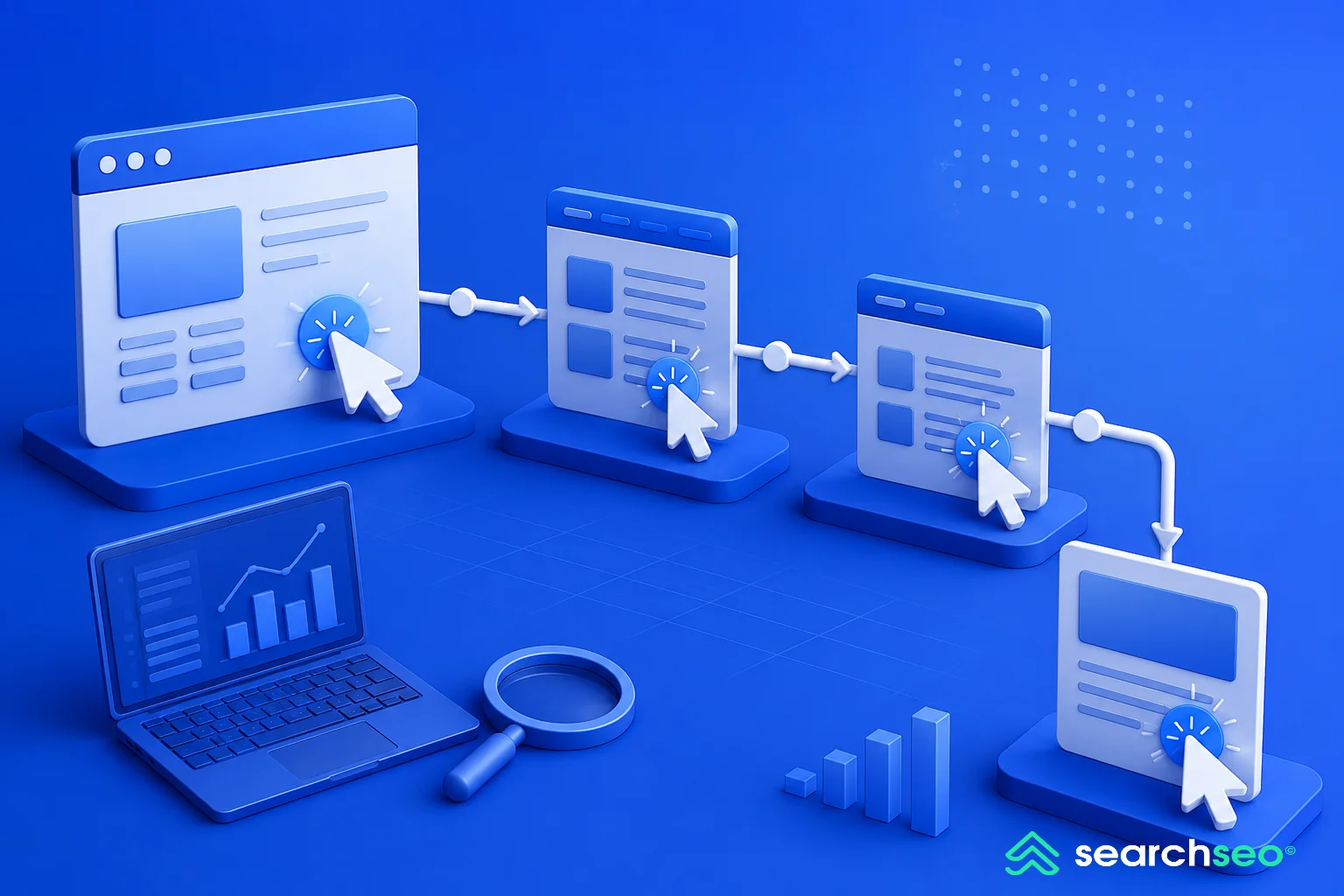

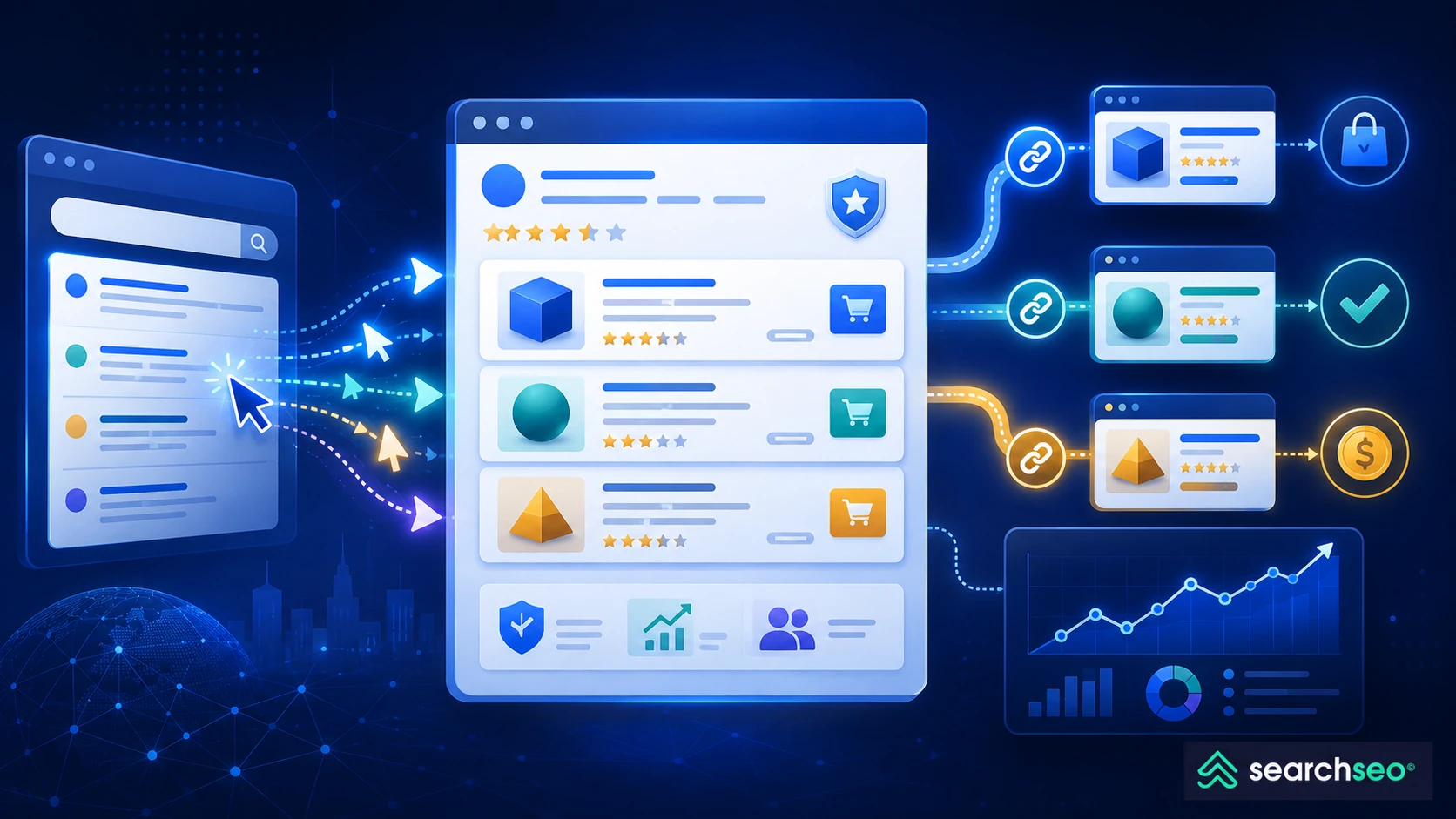
If you’re serious about boosting your website’s organic performance, you’ve probably heard about CTR (Click-Through Rate) campaigns. But here’s the catch: should you rely on CTR bots or manual click campaigns? Both promise to increase traffic, but the approach, risk, and ROI are very different.
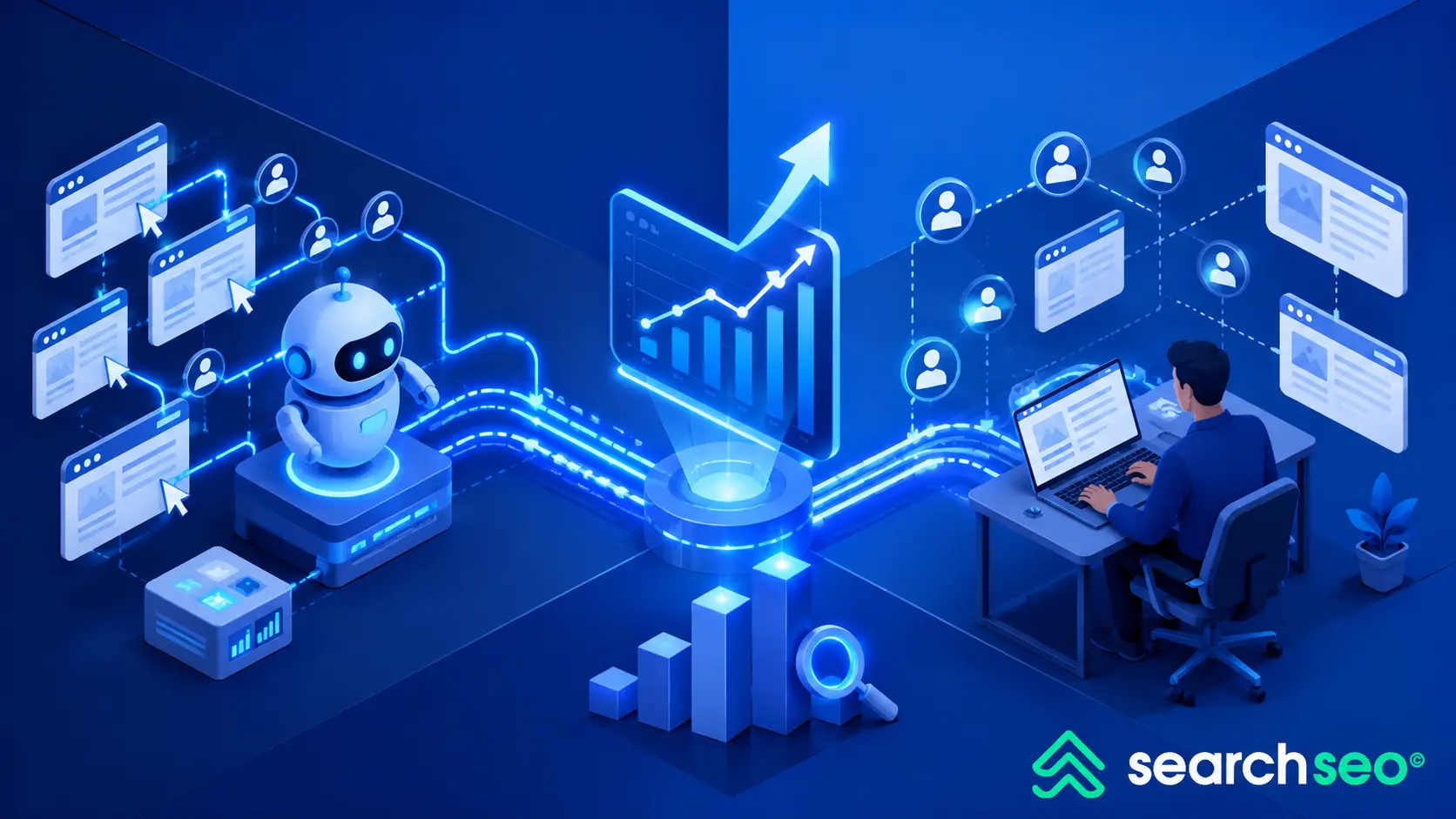
CTR campaigns are more than just a numbers game—they’re about signaling to search engines that your content is relevant and engaging. When executed correctly, these campaigns can improve rankings, increase organic traffic, and even help your content stand out in competitive search results.
Let’s break down both strategies so you can make the right choice for your SEO approach.
What is a CTR bot campaign?
A CTR bot campaign uses automated software to click your website from search results. The idea is simple: simulate natural user behavior to improve your site’s click-through rate on search engines, which can indirectly influence rankings.
How CTR bots work:
- High-quality residential IPs simulate real visitors, so traffic looks authentic.
- Clicks come from real browsers (Chrome, Firefox), not scripts, ensuring your traffic is “organic enough” to avoid penalties.
- You can configure the traffic by country, bounce rate, time spent on site, and distribution across days of the week.
- Traffic is spread across a 24-hour cycle, mimicking typical human browsing patterns.
Pros of CTR Bots:
- Scalability: You can send hundreds or thousands of clicks across multiple keywords without additional manpower.
- Efficiency: Once set up, bots work continuously with minimal oversight.
- Predictability: You can configure traffic parameters to match realistic behavior patterns.
- Verification: Traffic appears in analytics tools like Google Search Console and Google Analytics, so you can track results.
Cons of CTR Bots:
- Potential Risk: Overuse or poor configuration can raise red flags with search engines.
- Limited User Behavior Insight: Bots can mimic clicks and dwell time, but they don’t provide qualitative feedback about your site experience.
- Dependence on Other SEO Factors: CTR is only one ranking factor. Without content and backlinks, bot clicks alone won’t significantly move the needle.
What is a manual click campaign?
A manual click campaign relies on humans to visit your site, navigate pages, and interact with content as a real user would. Each click is deliberate, and each visitor can mimic authentic engagement patterns.
Advantages of manual click campaigns:
- High precision: Humans can adjust behavior based on page layout and site experience, giving you better-quality signals.
- Lower risk of being flagged: Since all traffic is real, there’s minimal chance of search engines detecting manipulation.
- Insightful data: Human interaction can reveal UX issues or content gaps you might not detect through automated campaigns.
Challenges of manual clicks:
- Cost: Paying humans to click your site at scale is expensive.
- Time-consuming: Each visit requires real effort, making large campaigns impractical.
- Slower impact: With fewer clicks delivered, it takes longer to see meaningful ranking improvements.
Manual campaigns are best for testing small, high-stakes campaigns where quality matters more than quantity. For example, if you’re launching a premium product page or piloting a new content format, manual clicks can provide nuanced insights that bots cannot.
CTR bot vs manual click: head-to-head
Key takeaway: CTR bots are ideal for scaling CTR improvements and testing keyword performance, while manual clicks excel in low-volume, high-quality campaigns where engagement insights matter.
Best practices for CTR campaigns
Whether you choose bots, manual clicks, or a combination, following best practices is critical to ensure effectiveness and safety.
- Combine Strategies: Use CTR bots for high-volume traffic and manual clicks for quality interactions. This hybrid approach maximizes both scale and authenticity.
- Start Small: Avoid sending more than 20-40% of traffic artificially. Sudden surges can look suspicious to search engines. Gradually increase as your rankings stabilize.
- Track Metrics: Always monitor Google Search Console, Analytics, and any third-party SEO tools. Check CTR, dwell time, bounce rates, and ranking fluctuations.
- Mimic Human Behavior: Ensure bots emulate realistic user behavior. Adjust dwell time, click patterns, and bounce rates to reflect genuine engagement.
- Integrate Holistic SEO: CTR campaigns alone won’t replace solid SEO foundations. Combine with content creation, keyword optimization, and link-building to see lasting results.
- Be Patient: Ranking improvements take time. Bing may show quicker changes because CTR has a heavier weight in its algorithm, whereas Google often takes months for substantial movement.
- Geo-target Your Campaigns: If your business serves specific regions, configure traffic to match your audience location. For Google My Business campaigns, you can target at the state level, but city-level targeting doesn’t significantly impact results.
How to choose between CTR bots and manual clicks
When deciding which campaign type to use, consider your goals:
- If you want speed and scale: CTR bots are your go-to. They are perfect for improving CTR on high-volume keywords and testing new strategies.
- If you want insights and quality: Manual clicks offer richer data and more nuanced understanding of user behavior, but they are slower and costlier.
- Hybrid approach: Most experienced marketers blend the two. Start with bots for initial CTR improvement, then add manual clicks to validate engagement and gather insights.
Remember, CTR campaigns are a tool to amplify your SEO efforts—they are not a replacement for creating quality content or building backlinks. Think of CTR as the accelerator pedal in your SEO strategy: it can speed up results but only if the engine (your website and content) is in top shape.
Conclusion
Both CTR bots and manual click campaigns have a place in a smart SEO strategy. Bots offer speed, scalability, and predictable results, while manual clicks provide insight, authenticity, and fine-grained control.
The ultimate approach? Use both strategically. Start with bots for measurable CTR improvements, then layer in manual clicks for quality and engagement insights. Combine this with a robust content and backlink strategy to maximize your organic growth.
Done right, CTR campaigns don’t just increase clicks—they create signals to search engines that your content is valuable, helping your website rise above the competition in organic search.


.svg)