

.svg)

.svg)
%201.png)



Every SEO agency runs into the same problem.
You publish strong content.
You build quality links.
You fix technical issues.
And rankings still move slower than clients expect.
That is where bot traffic for agency SEO becomes part of the conversation. Not as a shortcut, and not as a replacement for SEO fundamentals, but as a controlled signal that supports work already in progress.
This playbook explains when bot traffic makes sense, how agencies use it responsibly, and how to deploy it without putting client accounts at risk.

What bot traffic really means today
The term bot traffic carries baggage. For some, it sounds dangerous. For others, it is a quiet advantage.
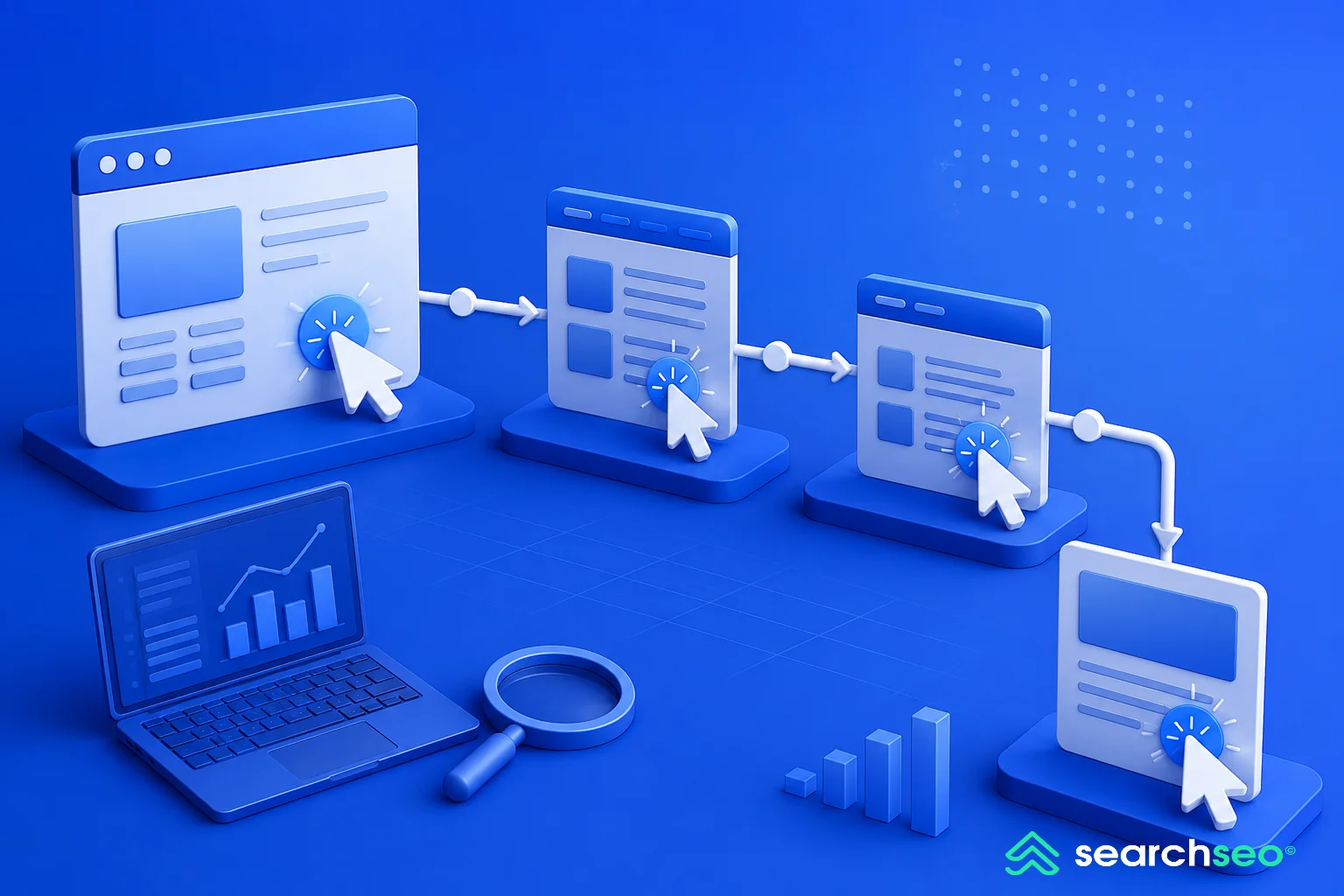
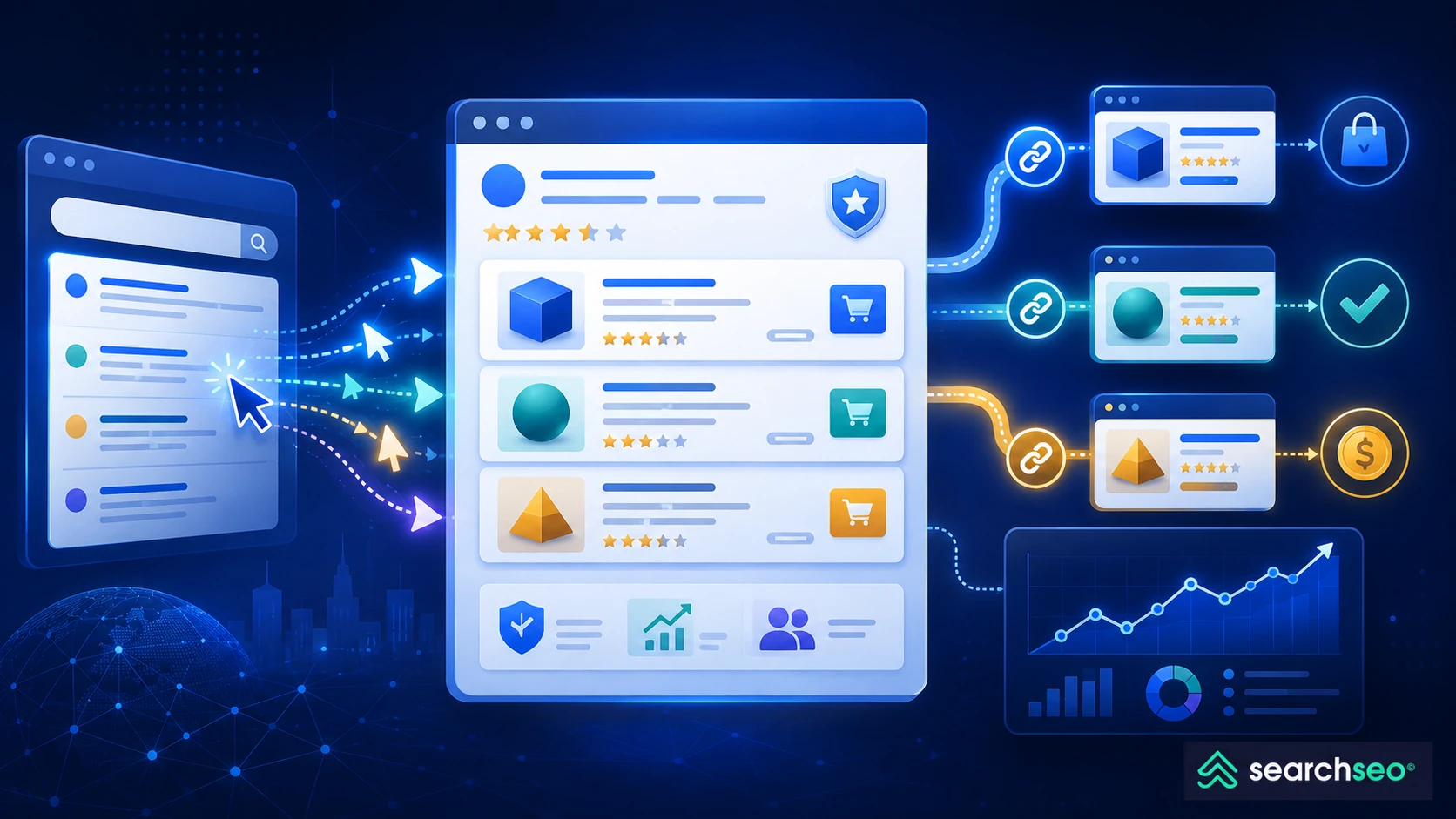
Modern SEO traffic tools are not crude spam bots. They are designed to replicate search-driven user behavior:
- Searches happen on real search engines
- Clicks originate from residential IPs
- Real browsers are used
- Sessions include time on site and interaction
The objective is not flooding a site with visits. The objective is influencing click through rate signals at levels that look normal and believable, especially for keywords that already rank.
That distinction is critical.
Why agencies use bot traffic for SEO clients
Agencies do not use bot traffic to manufacture rankings. They use it to unlock momentum when progress stalls.
Here are the most common scenarios.
Supporting keywords stuck near the top
This situation is familiar to every agency.
- Keywords hover between positions six and twelve
- Content quality is strong
- Links are in place
- CTR underperforms competitors
Search engines test relevance continuously. If searchers are not clicking, rankings plateau.
Controlled bot traffic improves click through behavior, helping search engines re-evaluate the result without waiting months for organic demand to change.
Accelerating early engagement for new pages
New content has no history.
No clicks.
No engagement signals.
No data to learn from.
Agencies use bot traffic to:
- Generate initial interaction signals
- Validate impressions in Search Console
- Shorten feedback cycles
This does not replace promotion or links. It supports them during the early phase.
Reinforcing link building efforts
Links alone do not guarantee movement.
When backlinks land but engagement stays flat, results often underperform.
Bot traffic helps agencies:
- Reinforce link velocity with usage signals
- Stabilize rankings after link acquisition
- Reduce drop offs after link campaigns
It strengthens what links start.
How agencies use bot traffic safely
The risk is not the tactic. The risk is poor execution.
This framework keeps campaigns believable.
Rule one: keep traffic realistic, gradual, and varied
Traffic volume is not just about how much you send. It is about how it grows and how it fluctuates.
General benchmarks:
- Google: 10 to 20 percent of estimated keyword volume
- Bing: 30 to 40 percent
- Local and GMB: up to 40 to 50 percent when blended carefully
If a keyword receives 1,000 searches per month, sending 1,000 clicks is not optimization. It is a spike.
Equally important, traffic should never start at full volume.
Agencies should ramp traffic gradually over time, increasing volume week by week rather than all at once. This mirrors how real visibility grows as rankings improve.
Daily traffic should also vary.
Real users do not behave identically every day, and traffic patterns should reflect that reality. Some days should be lighter. Others slightly heavier. Weekdays and weekends should differ. Flat, repetitive numbers stand out in analytics.
The goal is consistency in direction, not consistency in daily totals.
Rule two: only target keywords that already rank
Bot traffic works best when:
- Keywords rank within the top 100
- Ideally on page one or two
- Search intent matches the landing page
Sending clicks to keywords that do not rank wastes budget and increases risk.
Rule three: mirror real user behavior
Agencies should control behavioral signals, including:
- Session duration
- Bounce rate
- Pages per visit
- Geographic targeting
Predictable behavior patterns are safer than aggressive ones. Natural variation is essential.
Rule four: blend with real SEO work
Bot traffic alone does not produce sustainable results.
High performing agency strategies combine:
- Content creation
- Link building
- Technical SEO
- CTR optimization through controlled traffic
When engagement supports content and links, growth compounds.
What agencies should never promise clients
Clear expectations protect long term retention.
Do not position bot traffic as:
- Guaranteed rankings
- A replacement for SEO
- Risk free manipulation
Instead, frame it as:
A CTR optimization layer that supports an existing SEO strategy.
Clients who understand the role trust the process.
Is bot traffic risky for agency SEO?
Any SEO tactic becomes risky when pushed too far.
Agencies that control volume, ramp traffic gradually, vary daily patterns, and align behavior with real users have used this approach for years without penalties.
Search engines look for abnormal patterns, not the tactic itself.
Blending in is the objective.
Where SearchSEO fits into an agency workflow
Everything outlined above only works if the traffic behaves like real search users.
That is exactly where SearchSEO comes in.
SearchSEO is built specifically for agencies that want to influence CTR without tripping alarms. You control:
- Click volume and gradual ramp-up
- Daily variation so traffic never looks flat
- Bounce rate and session depth
- Geographic targeting down to country or state
- Search engine focus across Google, Bing, and GMB
Instead of guessing, agencies use SearchSEO to dial in realistic behavior patterns that blend into existing analytics.
It is not about flooding SERPs. It is about reinforcing relevance signals at the right moments.
Agencies manage multiple campaigns at once. Manual browsing, repeated searches, and engagement testing do not scale efficiently, which is why some teams position a website click generator service offering within a broader SEO engagement.
Ready to test this with real client campaigns?
Bot traffic for agency SEO is not a hack.
It is a lever.
Used alone, it fails.
Used aggressively, it leaves footprints.
Used strategically, it helps agencies:
- Accelerate results
- Stabilize rankings
- Show measurable momentum to clients
If you already believe CTR matters, this playbook shows how agencies apply it carefully, realistically, and at scale.


.svg)