

.svg)

.svg)
%201.png)



If you’ve spent any time in SEO circles, you’ve probably heard both terms thrown around: SERP bots and traffic bots. They sound similar, but they’re not the same thing—and mixing them up can lead to wasted budget or, worse, misleading results.
Let’s break this down clearly so you know exactly when to use each (and when not to).

What is a SERP bot?
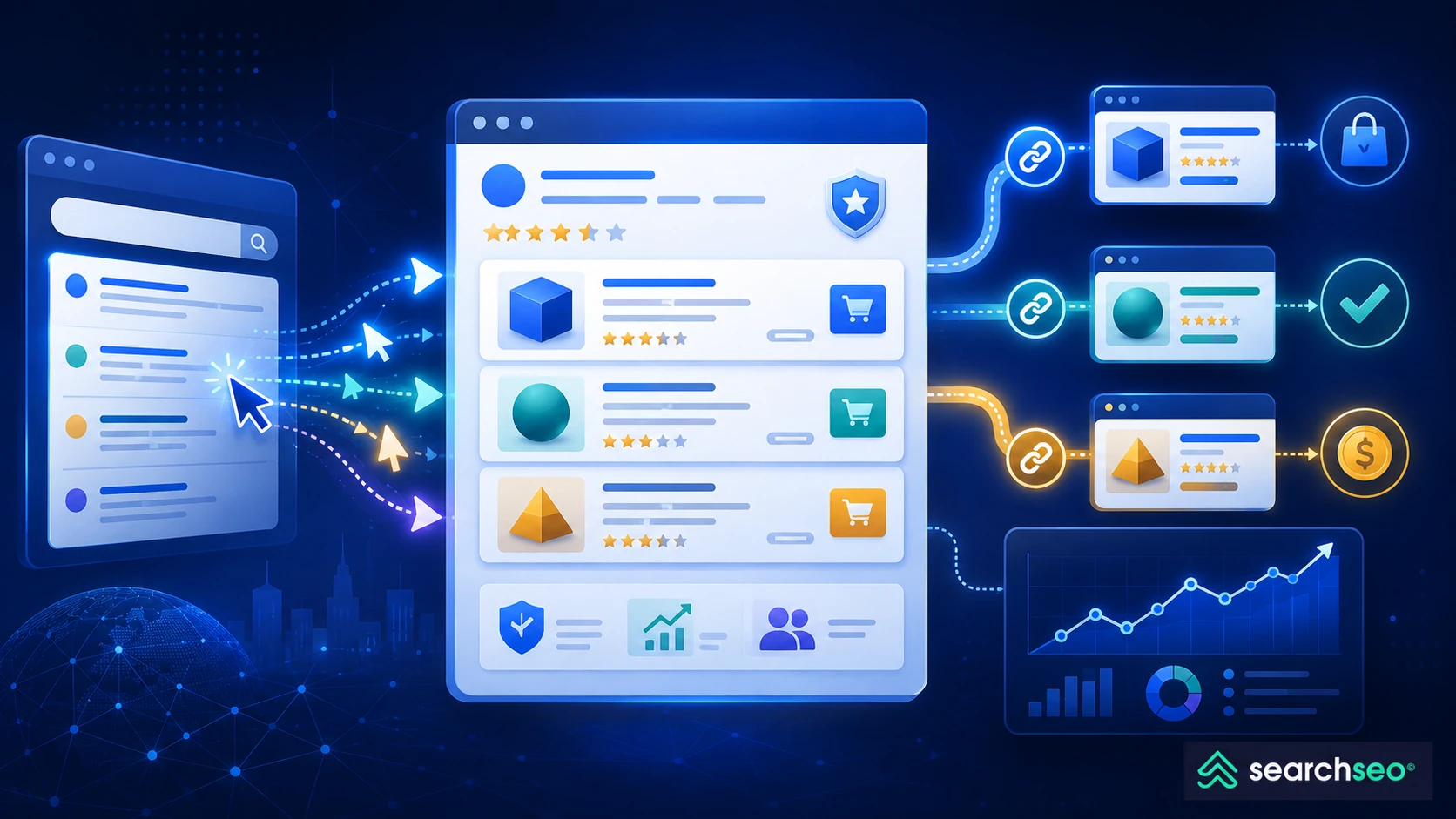
A SERP bot simulates real users searching on Google (or other search engines), clicking on your result, and sometimes engaging with your page.
In simple terms, it’s designed to influence search behavior signals—especially click-through rate (CTR) and engagement from the search results page. These signals can play a role in how your page performs over time.
Think of it as:
- Search → find your keyword → click your site → behave like a real user
This is why SERP bots are often used for CTR manipulation strategies.
What is a traffic bot?
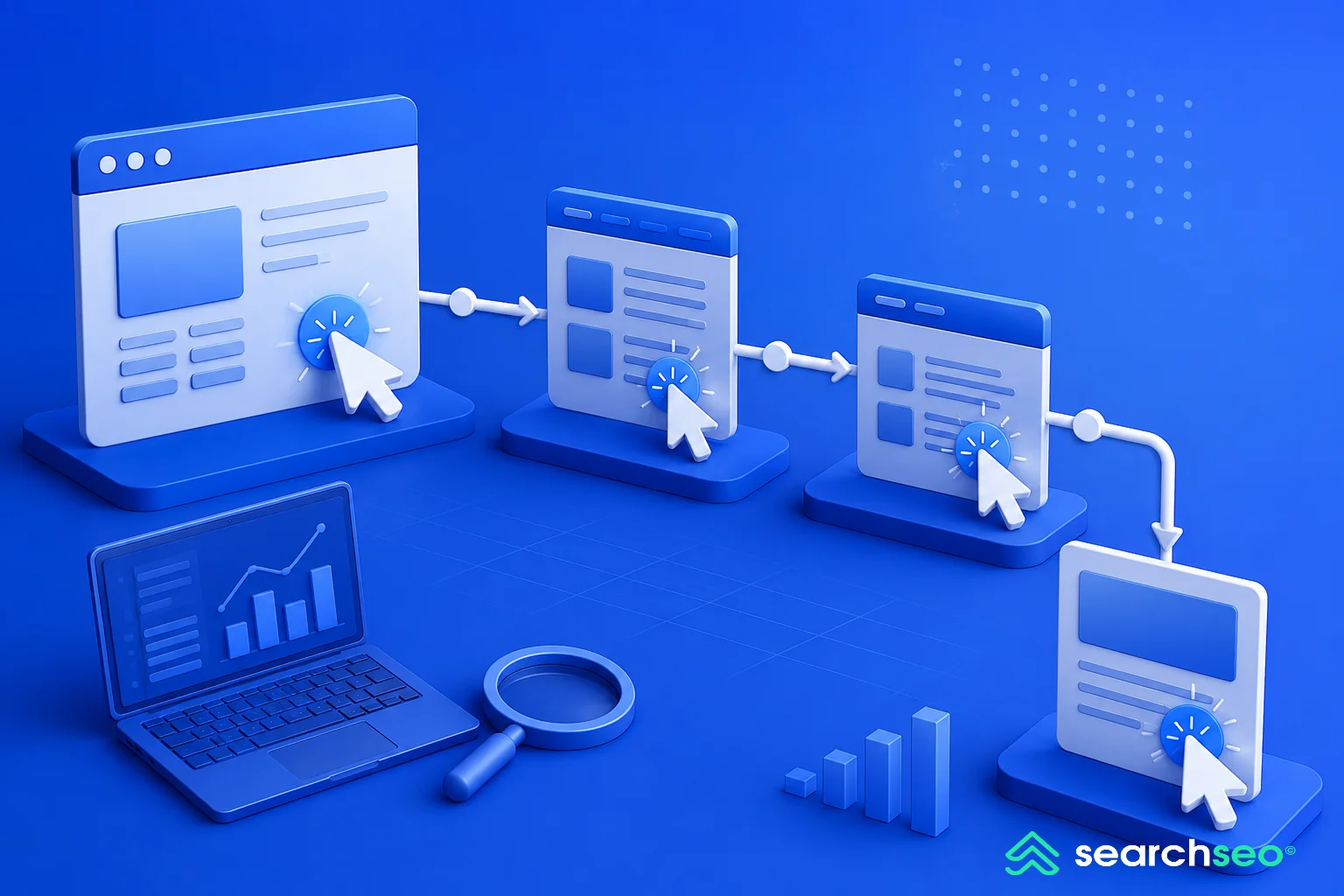
A traffic bot, on the other hand, sends visits directly to your website without going through a search engine.
It doesn’t simulate a Google search. It simply generates sessions, which may come from:
- Direct traffic
- Referral sources
- Randomized IPs or locations
The goal here is usually volume, not influence on rankings.
The core difference (this is where most people get it wrong)
Here’s the simplest way to think about it:
- SERP bot = affects how your site looks to Google
- Traffic bot = affects how your analytics look to you
That difference is everything.
A SERP bot interacts with the search results page. A traffic bot does not. So if your goal is to improve rankings or reinforce keyword relevance, only one of these is even relevant.
SERP bot vs traffic bot comparison
1. Source of traffic
SERP bots generate traffic from search engines. Traffic bots generate traffic from non-search sources.
This means SERP bots mimic organic behavior, while traffic bots create artificial sessions that don’t reflect search demand.
2. SEO impact
SERP bots can influence CTR and user engagement signals tied to specific keywords.
Traffic bots generally do not impact rankings, because they bypass the search engine entirely.
3. Use case
SERP bots are used for:
- Boosting CTR on ranking pages
- Supporting pages already in the SERPs
- Reinforcing keyword relevance
Traffic bots are used for:
- Inflating traffic numbers
- Testing server load or analytics setups
- Creating the appearance of activity
4. Risk level
Both carry risk if used incorrectly, but SERP bots are more sensitive because they interact directly with search engines.
Traffic bots are less likely to impact rankings, but they can distort your data and lead to bad decisions.
When should you use a SERP bot?
Only when your page is already ranking.
This is critical. If your page is not visible in search results yet, a SERP bot has nothing to click on. You’re essentially forcing a signal that doesn’t match reality.
The best use case:
- You’re ranking on page 1–3
- You want to improve CTR
- You want to strengthen behavioral signals
This is exactly where tools like SearchSEO come in. It helps boost CTR and engagement signals—but only works effectively if your page already ranks for the keyword.
When should you use a traffic bot?
Honestly, rarely for SEO.
Traffic bots are more useful for:
- Testing tracking setups
- Checking how your site handles spikes
- Simulating user load
But if you’re trying to grow organic traffic, this won’t move the needle.
In fact, relying on traffic bots for SEO can give you a false sense of progress because your analytics look good, but rankings don’t change.
Common mistake: using the wrong tool for the goal
Here’s a scenario we see all the time:
Someone wants to rank higher → they buy traffic bot visits → nothing happens → they assume “SEO doesn’t work.”
The issue isn’t SEO. It’s the tool.
If your goal is search visibility, you need something that interacts with search results—not just your website.
How SERP bots fit into a real SEO strategy
Let’s be clear: SERP bots are not a replacement for SEO.
They work best when layered on top of:
- Solid keyword targeting
- Indexed and ranking pages
- Good content and intent match
Used properly, they can help push pages that are already close to breaking through.
That’s why many SEOs use SearchSEO as a supporting tool, not a primary SEO strategy.
Final thoughts
SERP bots and traffic bots serve completely different purposes.
If you remember one thing, make it this:
- Use SERP bots to influence rankings and CTR
- Use traffic bots for testing or non-SEO purposes
And if you’re serious about growth, focus on what actually moves the needle, ranking pages, search visibility, and real user behavior.
Everything else is just noise.


.svg)