

.svg)

.svg)
%201.png)


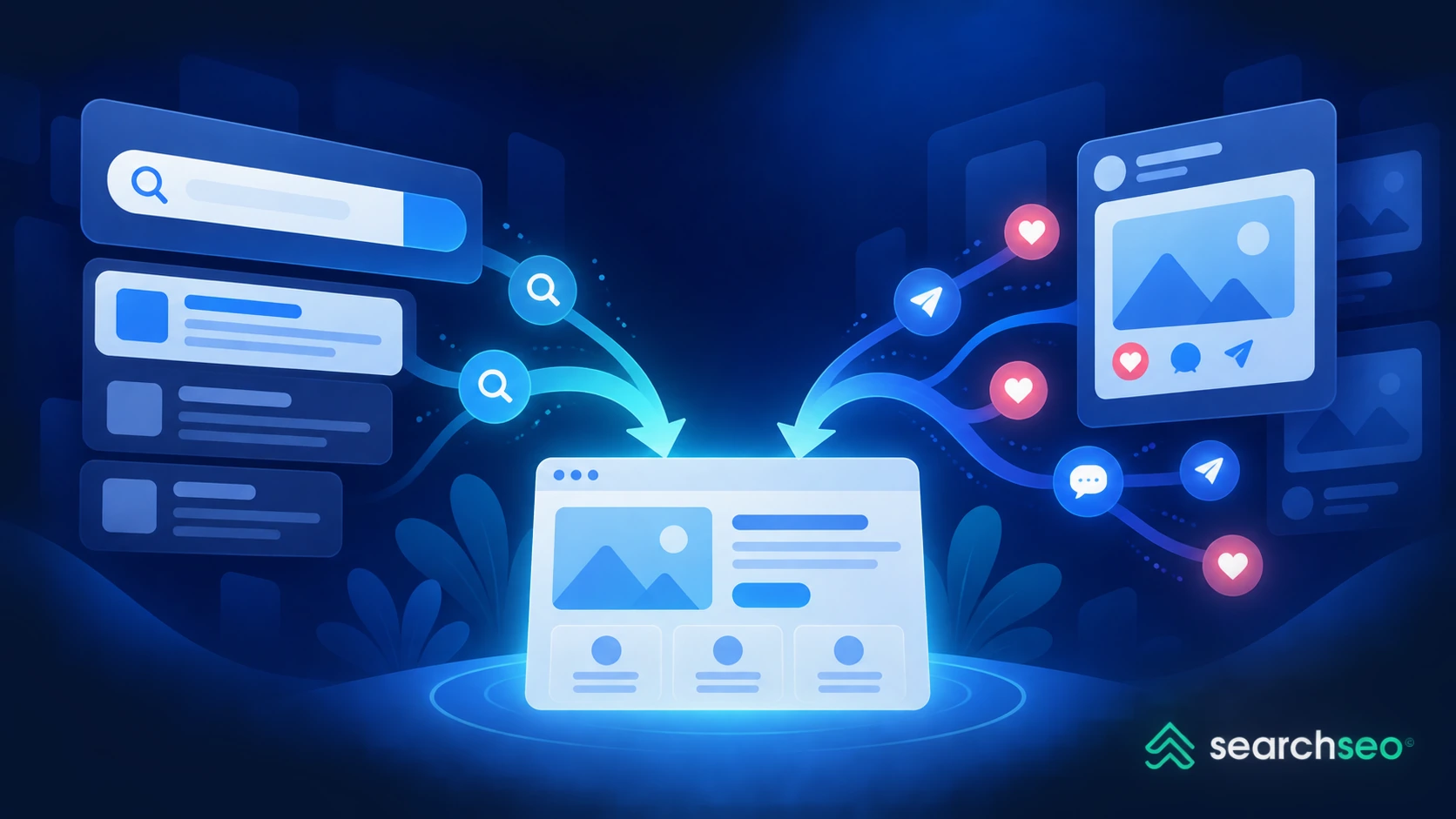
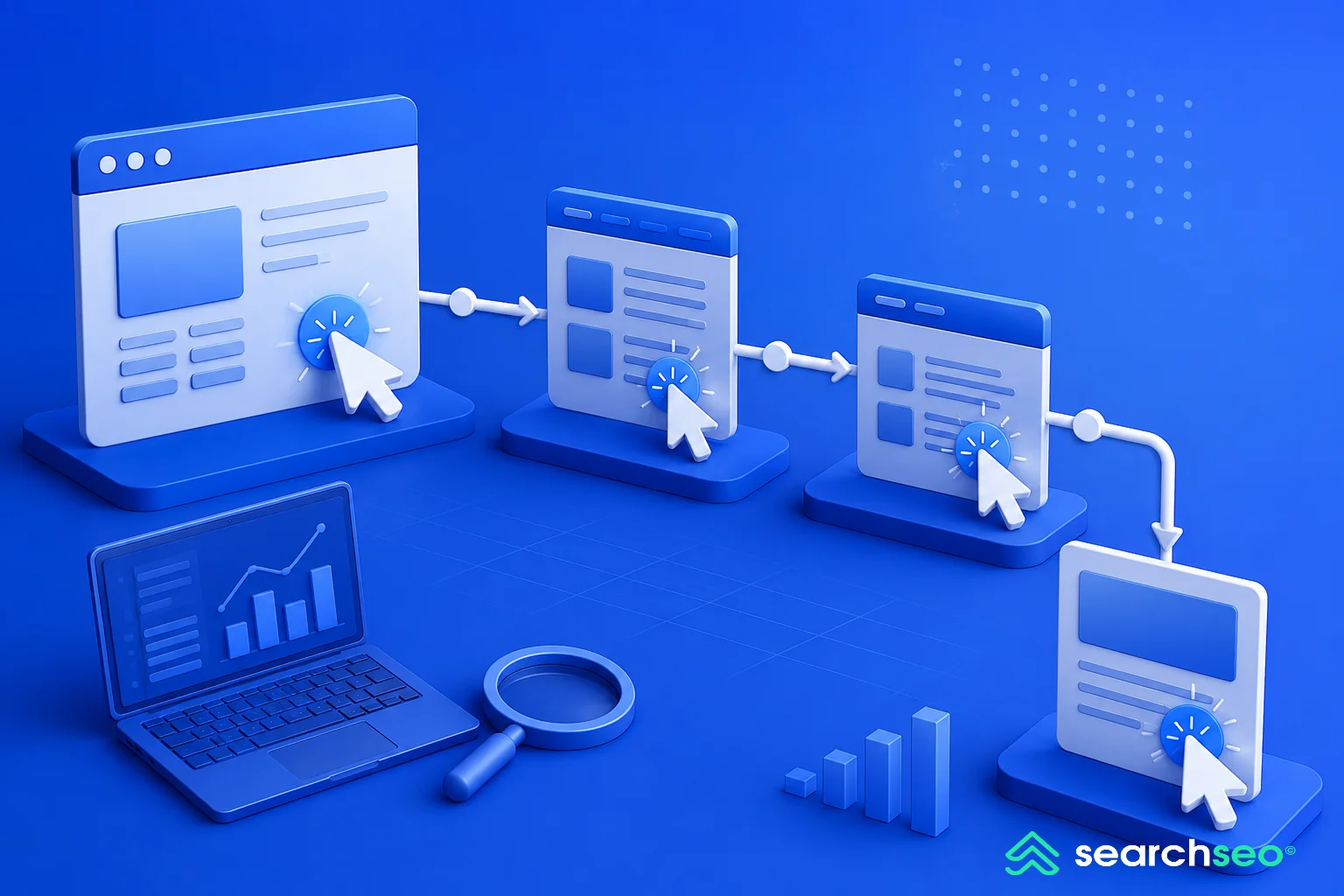

If SEO was about ranking, AEO is about being chosen.
Large language models don’t just look for information. They look for signals of trust, relevance and usefulness. One of the strongest signals tying all of this together is still hiding in plain sight: click-through rate (CTR).
CTR isn’t just an SEO metric anymore. It’s quickly becoming a foundational input for Answer Engine Optimization (AEO), influencing which pages get summarized, cited or paraphrased by tools like ChatGPT, Gemini and Perplexity.
Let’s break down why.

Why CTR suddenly matters in the age of answer engines
Traditional SEO trained us to think like this:
Rank higher → get more clicks → get more traffic
AEO flips that logic.
Answer engines work backward. They ask:
- Which results do users consistently choose?
- Which pages satisfy intent fast?
- Which sources appear trustworthy across queries and formats?
CTR becomes a proxy for human validation.
When users repeatedly click a result—especially for informational or exploratory queries—it sends a clear message:
“This result looks useful before anyone even reads it.”
That’s exactly the kind of signal LLM-powered systems need.
How answer engines actually select sources
LLMs don’t crawl the web like Googlebot. But they’re trained and refined on ecosystems that do rely on search behavior.
Across systems like:
- AI Overviews
- Conversational search
- RAG-based answer engines
The same pattern appears:
Documents that earn engagement signals are more likely to be reused.
CTR plays three key roles here:
1. Pre-click trust
Your title and snippet set expectations.
If users click, the expectation is positive.
LLMs favor sources that predict satisfaction.
2. Post-click reinforcement
High CTR pages often correlate with:
- Lower pogo-sticking
- Longer dwell time
- Higher completion rates
Those engagement patterns reinforce content quality signals upstream.
3. Pattern repetition
When a page consistently earns clicks across:
- Similar queries
- Variants of intent
- Multiple search contexts
It becomes statistically safer for answer engines to reference.
CTR is how humans “vote” before AI summarizes
Think of CTR as crowdsourced relevance scoring.
Before an LLM decides:
“This page explains the concept well”
Thousands of users already made a micro-decision:
“This looks like the best answer”
Answer engines don’t ignore that behavior. They abstract it.
This is why pages with:
- Clear intent matching
- Compelling SERP language
- Familiar brand signals
Are disproportionately represented in AI answers.
Not because they’re longer.
Not because they’re more technical.
Because people chose them first.
The compounding effect: good CTR improves AEO over time
Here’s where it gets interesting.
CTR doesn’t just influence one ranking or one citation. It compounds.
Strong CTR leads to:
- More visibility
- More engagement data
- More reinforcement signals
Which leads to:
- Increased trust weighting
- Higher likelihood of reuse in AI summaries
- More citations across answer engines
This creates a flywheel:
Better CTR → More trust → More AEO exposure → Even better CTR
Most sites never enter this loop because they treat CTR as a “nice-to-have,” not a strategy.
Why AEO-first content without CTR optimization falls flat
A common mistake right now is this:
“Let’s write content specifically for LLMs.”
That usually means:
- Over-structured answers
- Generic definitions
- No emotional or curiosity pull
The problem?
If no one clicks it, no engine will trust it.
Answer engines still depend on the same human signals search engines always have.
If your page:
- Ranks but doesn’t get clicked
- Shows but doesn’t attract attention
- Explains but doesn’t entice
It’s unlikely to become a cited source.
What actually improves CTR for AEO (not just SEO)
If your goal is AEO visibility, CTR optimization needs to focus on intent clarity, not clickbait.
Here’s what consistently works:
1. Match the question, not the keyword
Answer engines prefer pages that clearly resolve a query.
Your title should sound like the user’s internal monologue.
Bad:
“Answer Engine Optimization Explained”
Better:
“What Is AEO and Why It Matters More Than SEO in 2026”
2. Reduce uncertainty in the snippet
Users click when they know what they’ll get.
Use:
- Timeframes
- Outcomes
- Clear scope
Certainty drives clicks.
3. Build familiarity signals
Brands users recognize get clicked more.
That includes:
- Consistent positioning
- Repeated SERP exposure
- Familiar phrasing
LLMs pick up on those patterns too.
4. Earn clicks consistently, not aggressively
Sudden CTR spikes look unnatural.
Answer engines prefer stable, repeated engagement over time.
Where CTR fits inside a modern AEO strategy
CTR alone won’t win AEO.
But without it, everything else underperforms.
Think of CTR as the gateway signal:
- Content quality helps after the click
- Structure helps during extraction
- Authority helps over time
CTR decides whether the page is trusted enough to enter the system at all.
This is why high-ranking pages with weak CTR rarely show up in AI answers, while slightly lower-ranking but highly clicked pages often do.
The takeaway: clicks train answers
Answer engines are trained on patterns of human behavior.
Every click is feedback.
Every skipped result is rejection.
If you want your content cited by AI systems, summarized confidently and reused across prompts, you need to win the moment before the answer is written.
That moment is the click.
Good CTR doesn’t just drive traffic.
It trains answer engines who to trust.
If you’re serious about AEO, stop treating CTR as a secondary metric. It’s the signal that turns visibility into authority.
And authority is what answer engines remember.


.svg)